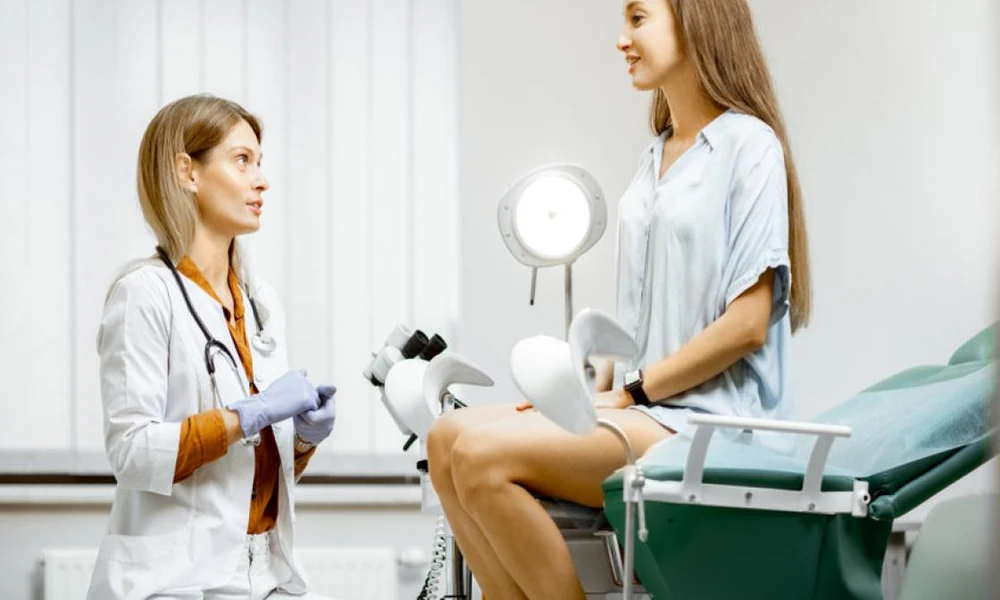
Why Every Woman Should Schedule a Well-Woman Exam to protect your health, prevent disease, and stay healthy with regular preventive care.
A well-woman exam is a preventive healthcare visit that helps women stay healthy through routine screenings, physical exams, health counseling, and early detection of medical conditions. Scheduling this annual visit supports long-term wellness, improves reproductive health, and helps identify problems before they become serious.
When was the last time you put your own health before everything else? Many women stay busy caring for family, work, and daily responsibilities, yet delay routine healthcare appointments. A simple yearly checkup can uncover hidden health concerns long before symptoms appear.
The truth is simple. Every woman should schedule a well-woman exam because preventive care is one of the most effective ways to protect overall health. These annual visits give your healthcare provider the opportunity to evaluate your physical, reproductive, and emotional well-being while creating a personalized plan that fits your lifestyle. Instead of waiting until you’re sick, a well-woman exam helps you stay ahead of potential health problems.
🌸 What Is A Well-Woman Exam?
A well-woman exam is a yearly preventive visit designed specifically for women’s health needs. It focuses on keeping you healthy rather than treating illness after it develops. During the appointment, your provider reviews your medical history, lifestyle habits, family history, and any health concerns you may have.
The visit often includes a physical examination, breast exam, pelvic exam when appropriate, recommended screenings, and discussions about nutrition, exercise, mental health, sexual health, and family planning. Every appointment is personalized based on your age, health history, and individual risk factors.
Many women think they only need a doctor when something feels wrong. However, preventive healthcare works best before symptoms appear. 💙
Many women search online for well womans exam near me when they realize it’s time to prioritize their health. Finding a trusted healthcare provider close to home makes it easier to stay consistent with yearly preventive visits. Regular appointments build a stronger relationship with your provider and improve long-term health outcomes.
If you’ve recently searched for well womans exam near me, you’re already taking an important first step toward preventive care. Choosing a nearby clinic also makes follow-up appointments, screenings, and future healthcare needs much more convenient throughout the year.
💖 Why Annual Preventive Care Matters
Preventive care saves lives because many diseases develop silently. High blood pressure, diabetes, cervical changes, osteoporosis, and certain cancers often show few warning signs in their early stages.
An annual well-woman exam helps detect these conditions early when treatment is usually easier and more successful. Early diagnosis often means fewer complications, lower healthcare costs, and better quality of life.
“Taking one hour today can protect your health for years to come.” 🌷
| Benefit | Why It Matters |
| Early Detection | Finds problems before symptoms appear |
| Better Prevention | Reduces future health risks |
| Personalized Care | Healthcare recommendations fit your needs |
| Peace Of Mind | Confirms you’re staying healthy |
🩺 What Happens During A Well-Woman Exam?
Every appointment is slightly different because healthcare providers customize the visit for each patient. Your provider begins by discussing your medical history, medications, family history, menstrual cycle, pregnancy plans, and lifestyle habits.
Next comes the physical examination. This usually includes checking blood pressure, weight, heart rate, and overall health. Depending on your age and medical history, your provider may also perform a breast exam, pelvic exam, or recommend additional screenings.
You will also have time to ask questions about birth control, menopause, sexual health, fertility, nutrition, or emotional wellness.
🩷 Health Screenings You May Receive
Screenings vary based on age, medical history, and risk factors. Your provider recommends tests that are most appropriate for your health profile.
Common preventive screenings include:
- Blood pressure screening
- Breast examination
- Pap smear
- HPV testing
- STD testing
- Cholesterol screening
- Blood sugar testing
- Weight and BMI evaluation
- Mental health screening
- Depression assessment
These screenings help identify health conditions before they become more serious.
🌼 The Importance Of Early Detection
Many serious illnesses begin without noticeable symptoms. Cervical cancer, breast cancer, high cholesterol, diabetes, and osteoporosis often develop quietly.
Routine well-woman exams provide opportunities to catch these conditions early. Early detection usually means more treatment options and better recovery rates.
Women who maintain regular preventive appointments are often better prepared to manage changing health needs throughout every stage of life.
💗 Supporting Reproductive Health
Reproductive health is about much more than pregnancy. A well-woman exam helps monitor menstrual health, fertility, contraception, hormone balance, and sexual wellness.
Healthcare providers also discuss pregnancy planning, fertility concerns, menstrual irregularities, painful periods, and menopause symptoms. These conversations help women make informed healthcare decisions.
Every stage of life brings unique reproductive health changes. Regular visits ensure you receive guidance that’s appropriate for your current needs.
| Life Stage | Primary Focus |
| Teens | Menstrual health, vaccines, education |
| 20s-30s | Birth control, fertility, Pap tests |
| 40s-50s | Mammograms, hormone changes |
| 60+ | Bone health, chronic disease prevention |
🌿 Managing Chronic Health Conditions
Many women live with conditions such as diabetes, thyroid disorders, asthma, or high blood pressure. Annual exams help monitor these conditions while reducing complications.
Your healthcare provider reviews medications, checks progress, and adjusts treatment plans if necessary. Small lifestyle improvements often make a significant difference over time.
Preventive care also helps reduce hospital visits and emergency medical situations.
🧠 Mental Health Is Part Of Women’s Health
Emotional wellness deserves just as much attention as physical health. Anxiety, depression, stress, burnout, and sleep problems affect millions of women every year.
During a well-woman exam, your provider may ask questions about your mood, stress levels, sleep quality, and emotional well-being. Honest conversations can lead to valuable support and treatment options.
Never hesitate to discuss emotional concerns. Mental health is healthcare.
🍎 Lifestyle Counseling That Makes A Difference
Healthy habits play a major role in disease prevention. Your provider offers practical advice tailored to your lifestyle and goals.
Topics often include:
- Healthy eating
- Weight management
- Exercise
- Smoking cessation
- Alcohol use
- Sleep habits
- Stress management
Small improvements practiced consistently can create lasting health benefits.
🩷 Vaccinations And Preventive Protection
Vaccines protect women from preventable illnesses throughout adulthood. During your visit, your provider reviews your vaccination history.
Recommended vaccines may include influenza, HPV, tetanus, shingles, COVID-19, and pneumonia depending on age and risk factors.
Staying current with vaccinations is an important part of preventive healthcare.
🌺 Questions To Ask During Your Appointment
Many women forget important questions once they arrive. Preparing a list beforehand helps you make the most of your visit.
Consider asking:
- Which screenings do I need this year?
- Are my symptoms normal?
- Should I change my birth control?
- How can I improve my overall health?
- What lifestyle changes would benefit me most?
Open communication leads to better healthcare decisions.
💕 Preparing For Your Well-Woman Exam
Preparing ahead of time makes the appointment more productive. Bring a list of medications, supplements, allergies, and family medical history.
Write down any symptoms or health concerns you’ve noticed recently. Even small changes can provide helpful information for your provider.
Wear comfortable clothing and don’t feel embarrassed discussing sensitive topics. Healthcare professionals have heard it all before.
| Before Your Visit | Why It Helps |
| Bring Medication List | Prevents medication errors |
| Record Symptoms | Improves diagnosis |
| Know Family History | Identifies health risks |
| Prepare Questions | Maximizes appointment time |
🌸 How Often Should Women Schedule Exams?
Most healthcare providers recommend one well-woman exam every year. Annual visits allow providers to monitor changes over time and update preventive care recommendations.
Some women with chronic illnesses, pregnancy, or higher health risks may need more frequent appointments. Your provider will recommend the schedule that’s right for you.
Consistency is one of the most important parts of preventive healthcare.
🌷 Common Myths About Well-Woman Exams
Several myths prevent women from scheduling routine care. Many believe they don’t need an exam unless they’re sick.
Others assume younger women don’t need preventive visits or that pelvic exams happen every year for everyone. In reality, recommendations vary depending on age and medical history.
Understanding the facts helps women make informed healthcare decisions instead of relying on misconceptions.
💜 Benefits That Last A Lifetime
The benefits of annual well-woman exams extend far beyond one appointment. Preventive care builds a long-term relationship with your healthcare provider while improving overall wellness.
Women who receive regular preventive care often experience earlier diagnosis, healthier pregnancies, better chronic disease management, and improved quality of life.
Investing in preventive healthcare today supports healthier years ahead.
🌼 Making Your Health A Priority
Life gets busy, but your health deserves attention too. Scheduling one preventive visit each year is one of the simplest ways to care for yourself.
Your family depends on you, and staying healthy helps you continue caring for those you love. More importantly, you deserve good health for your own future.
Every appointment represents an investment in a healthier, happier life. 🌺
Conclusion
A well-woman exam is much more than an annual checkup. It is a proactive approach to protecting your physical, reproductive, and emotional health through regular screenings, personalized guidance, and early detection. These yearly visits empower women to make informed decisions while reducing the risk of serious health problems. Whether you’re in your twenties or your seventies, scheduling a well-woman exam is one of the smartest investments you can make for lifelong wellness. Prioritizing preventive care today can help you enjoy a healthier tomorrow.
FAQs
Can I Schedule A Well-Woman Exam Every Year?
Yes. Most women benefit from scheduling one preventive exam each year. Annual visits help monitor changes in your health and ensure recommended screenings stay up to date. Your provider may recommend additional visits if needed.
What Should I Wear To A Well-Woman Exam?
Wear comfortable, easy-to-remove clothing. This makes changing for the physical examination much easier. You’ll also feel more relaxed during your appointment.
Do Healthy Women Need Well-Woman Exams?
Absolutely. Preventive care is designed for healthy individuals as well as those with medical conditions. These visits help detect hidden health problems before symptoms develop.
Does A Well-Woman Exam Include Blood Tests?
Sometimes. Blood tests depend on your age, health history, and individual risk factors. Your provider will recommend only the tests that are appropriate for you.
How Long Does A Well-Woman Exam Usually Take?
Most appointments last between 30 and 60 minutes. The exact length depends on your medical history, screenings, and questions you want to discuss. Taking time to address your concerns is an important part of the visit.